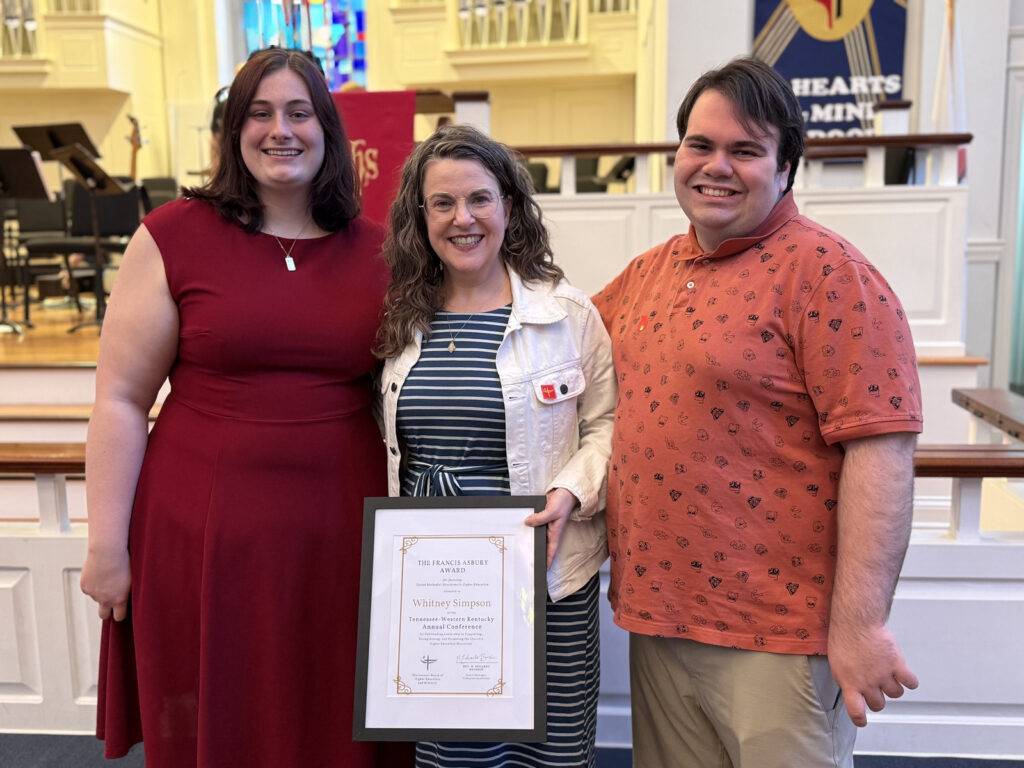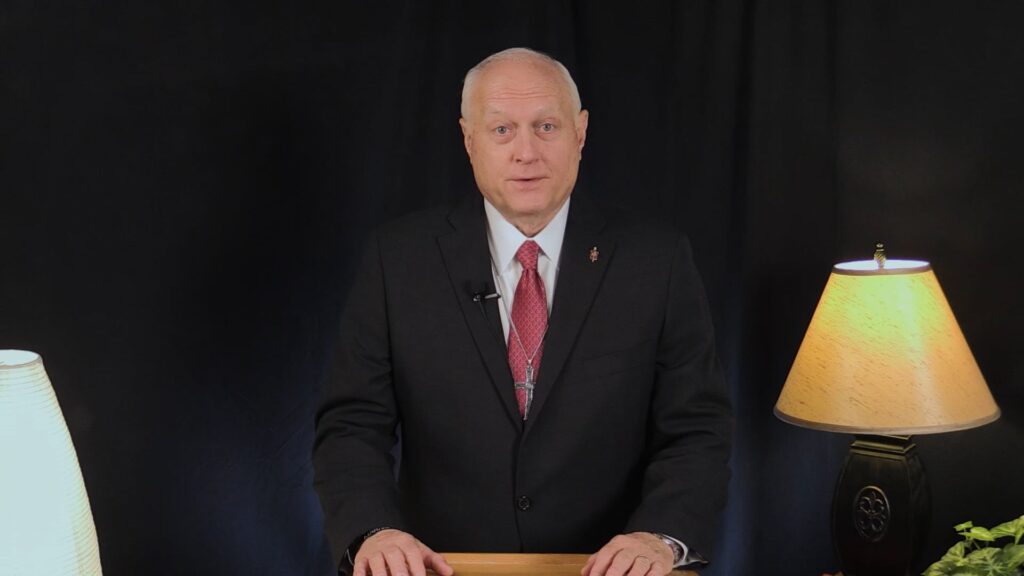
‘La principal lección que aprendí es que el descanso no es un lujo, sino una necesidad.’
Una clase de crochet, zapatos para caminar, una bicicleta de carretera y palas de pickleball. Terapia de salud mental, un retiro de silencio, equipo de ciclismo y un viaje de pesca padre-hijo.
Estas son solo algunas de las herramientas, recursos y experiencias que mejoran la vida y que se proporcionan a 213 clérigos y líderes ministeriales de toda la Conferencia de Tennessee-Kentucky Occidental a través de su primera iniciativa de subvenciones para el bienestar.
Desde abril de 2025, la conferencia ha financiado subvenciones por un total de casi $100 000 dólares, que se han distribuido entre los solicitantes aprobados a través de su programa inaugural de subvenciones para el bienestar y la renovación del clero.
El programa es una medida clave para apoyar estrategias integrales Presentado por la Conferencia de Tennessee-Kentucky Occidental en 2025 para ayudar a cuidar la salud mental y el bienestar de su clero, laicos y congregaciones en un momento en que el estrés, el agotamiento, la ansiedad y la depresión están aumentando, según datos nacionales y de la conferencia sobre salud.
“La mayoría de las subvenciones eran de cuantía modesta —hasta $400 por solicitante—, pero la intención era significativa y el impacto ha sido importante para muchos beneficiarios y sus congregaciones”, afirmó Courtney Lawson, presidenta del Equipo de la Guía de Salud Mental y Bienestar.
Además, se distribuyeron ocho subvenciones a iglesias locales para apoyar las vacaciones de renovación planificadas por su clero.
“Esta es una oferta concreta de la Conferencia de Tennessee-Oeste de Kentucky para animar al clero que desea dar el siguiente pequeño paso para cuidar de su salud”, dijo Lawson. “También es una forma de que los metodistas unidos de toda nuestra zona inviertan y se asocien con el clero para dar prioridad a su bienestar, al tiempo que se construye una cultura más saludable de conexión en toda nuestra conferencia”.”
Subvenciones Personalizar necesidades de bienestar multifacéticas
Dado que el bienestar está interconectado, se animó a los solicitantes de mini-becas a considerar cómo los fondos solicitados podrían fomentar su práctica continua del bienestar en una de las cinco dimensiones: física, emocional, espiritual, relacional o financiera.
Las primeras opiniones —sobre si la subvención ha contribuido a adoptar hábitos de vida más saludables y cómo lo ha hecho— han sido positivas.
Melisa Derseweh utilizó su beca para pagar entrenamientos de alta intensidad con un entrenador personal.
“Dedicar este tiempo intencionadamente a mí mismo me permite estar más sano físicamente, más alerta mentalmente y más capaz de afrontar el día con confianza”, afirma Derseweh, anciano de la Iglesia Metodista Unida Morton Memorial en Monteagle, Tennessee. “Realizar una actividad tan centrada me permite estar completamente presente en el momento, lo que se parece mucho a la meditación o la reflexión espiritual”.”
Shelby Slowey, una anciana que presta servicio en la Iglesia Metodista Unida South End en Nashville, compró un remolque para bicicletas para facilitar los paseos en bicicleta con sus hijas. “Ha sido absolutamente maravilloso pasear en bicicleta por nuestro nuevo vecindario juntos, como una familia de seis, explorando los senderos para bicicletas, el arroyo y los dos parques infantiles de fácil acceso desde nuestra casa”, dice. “Nos hemos unido más como familia y salimos mucho más de casa”.”
Jeff Rudy pudo realizar un retiro personal para dedicarse a la reflexión y la planificación intencionadas.
“Me acuerdo de la sabiduría de un mentor que dijo: ‘No se aprende de la experiencia. Se aprende reflexionando sobre la experiencia’. Este fue el caso en este retiro”, dijo Rudy, un anciano que sirve en la Primera Iglesia Metodista Unida de Murray, en Murray, Kentucky. “Esto me dio la oportunidad de reflexionar y celebrar mis propios dones y pasiones, de ver el panorama general de mi nombramiento actual y de alinear y priorizar mis objetivos y mi agenda para ejercer mi ministerio en consecuencia”.”
Linda Furtado, diácona que presta servicios en el ministerio de extensión del Centro Scarritt Bennett, utilizó su beca para comprar materiales “para apoyar la creación artesanal individual intencionada y la exploración creativa como forma de renovación y cuidado personal”.”
“Los suministros han tenido un impacto significativo en mi bienestar emocional y espiritual, ya que me han permitido dedicar pequeños pero constantes momentos al cuidado personal en mi vida cotidiana”, afirmó. “He encontrado consuelo y estabilidad a través de prácticas creativas durante breves intervalos en los que, de otro modo, habría experimentado un mayor estrés”.”
De las 2025 becas, el 40 % de los beneficiarios buscaban financiar una práctica de bienestar basada en la salud física y el movimiento. Alrededor del 20 % quería ayuda económica para cuidar su salud emocional y mental, y el 18 % buscaba una renovación espiritual o una experiencia de retiro. Otros solicitantes buscaban financiar prácticas de bienestar que promovieran la salud financiera o relacional.
“Uno de los mayores retos fue darme permiso para bajar el ritmo”, afirma Quentin Dickerson, quien utilizó los fondos de la beca para tomarse un breve descanso sabático de su cargo como pastor local en la Iglesia Metodista Unida Hamilton, en Nashville. “Estoy acostumbrado a servir, liderar y moverme constantemente, por lo que dar un paso atrás requirió una disciplina intencionada”.”
Otras ofertas
El programa de subsidios para el bienestar es la piedra angular de un movimiento más amplio en toda la conexión para dar prioridad a las formas de ayudar al clero, las iglesias y el personal a mantenerse saludables. Para reforzar el apoyo a las familias del clero, La conferencia se ha asociado con Cedar Crest Camp para organizar un retiro sabático anual para las familias del clero.; pidió a los equipos ministeriales que incorporaran prácticas de bienestar en sus reuniones y en su trabajo.; y realizó una encuesta sobre el bienestar del clero. Los resultados de la encuesta se darán a conocer pronto, dijo Lawson.
Este trabajo está guiado por el Equipo Guía de Salud Mental y Bienestar de TWK, que está formado por representantes de la Junta Ministerial, el Gabinete, los Ministerios de Campamentos y Retiros, los Ministerios Conexionales, el Equipo de Recursos Humanos, la Oficina de Servicios Administrativos y el Grupo de Salud Mental.
Las subvenciones para 2026 ya están disponibles
En Ya está abierto el ciclo de solicitudes para las mini-becas de bienestar 2026..
Las mini-becas se incrementarán hasta un máximo de $500 para financiar prácticas de bienestar. Están disponibles para clérigos activos comisionados, titulares o asociados; pastores locales; ministros laicos certificados; pastores suplentes en nombramiento activo; ministros universitarios; diaconisas y misioneros locales; y personal de la conferencia. También se anima a solicitarlas a los clérigos que prestan servicio en Tennessee-Western Kentucky en comisión de servicio desde otra conferencia anual.
Lawson enfatizó que las mini-becas están diseñadas para apoyar a los líderes ministeriales en su salud y bienestar continuos, no solo cuando atraviesan una crisis.
Además, ya están disponibles las solicitudes para las Becas de Renovación del Clero 2026. Estos fondos, de hasta $3,000, están disponibles para el clero y las congregaciones con el fin de apoyar los permisos de renovación del clero, una práctica importante para el clero, tal y como se describe en el Libro de Disciplina.
Se invita a los clérigos jubilados que busquen recursos y apoyo a visitar El Fondo del Pastor, un ministerio que opera a través de la Jurisdicción Sureste, para atender a los clérigos jubilados, sus cónyuges y viudas.
Todas estas inversiones están en consonancia con nuestra herencia wesleyana.
Al impulsar el movimiento metodista, Juan Wesley hizo hincapié en la salud holística y la salvación basada en la interconexión del bienestar físico y espiritual. Por ejemplo, alentó prácticas como la oración, el ejercicio y la vida sana para fomentar una vida floreciente.
Aunque muchas cosas han cambiado en la iglesia desde aquellos días, la necesidad de las prácticas identificadas por Wesley sigue vigente.
Jim Melrose, quien utilizó su beca para financiar un retiro de cuatro días en Carolina del Norte, dijo que la inversión de la conferencia le ayudó a encontrar un espacio tranquilo lejos de las exigencias que sentía como pastor local al servicio de Duck River Charge en el condado de Hickman, Tennessee.
“Mi mayor reto al principio fue no tener ningún medio de comunicación para conectar con las iglesias a las que sirvo”, dijo Melrose. “Esto se sustituyó rápidamente por una sensación de paz y tranquilidad y por la comprensión de que no soy responsable de intentar cuidar de todo el mundo. También me permitió delegar en los miembros de mis congregaciones y permitirles explorar sus propios dones de liderazgo y cuidado”.”
Dickerson, quien pudo tomarse un breve descanso gracias al nuevo programa, se hizo eco de ese sentimiento.
“La principal lección que aprendí es que el descanso no es un lujo, sino una necesidad”, afirmó. “Tomarme tiempo para recargar energías me hace más eficaz, más presente y más equilibrado. Me recordó que no puedo darlo todo a los demás si no me tomo tiempo para recargar mis propias energías”.”