“Cuando nos convertimos en nosotros”, por Tom Lee.
Si pasaste la tormenta de hielo de Nashville navegando sin cesar por las redes sociales, agotando las baterías de tus dispositivos entre sesiones de calentamiento y recarga del automóvil, criticando a los responsables políticos distantes y desconectados, es posible que hayas visto una entrevista con la inestimable Amy Grant.
La historia trata sobre la difícil etapa que Amy estaba atravesando tras su divorcio, criando a sus hijos (todo Nashville se tutea con Amy), y el consejo que recibió de Jimmy Gentry, un veterano de la Segunda Guerra Mundial del centro de Tennessee que se había ganado el derecho a tratar a la famosa por su nombre de pila. Esta es la versión que contó Amy. faithwire.com en noviembre de 2019:
“Uno de mis hijos estaba pasando por una etapa especialmente traviesa, y yo solo dije: ‘Dios mío, necesito ayuda’”, recordó Grant, “y [Jimmy] me dijo: ‘Amy, te voy a dar cinco frases, y quiero que se las repitas a tu hijo tan a menudo como puedas’».’
Cuando le enseñó el mantra por primera vez, Gentry extendió cinco dedos. La primera frase es: “¿Cómo puedo ayudarte?”. Después de doblar el pulgar, pasó a la frase de cuatro palabras: “Estoy orgulloso de ti”. La frase de tres palabras que siguió fue: “Te quiero”, seguida de la frase de dos palabras: “Gracias”.”
“Entonces me hizo adivinar una frase de una sola palabra, y no pude adivinarla”, dijo Grant. “Él dijo: ‘Esto lo cambiará todo’. Y yo respondí: ‘¿Ni siquiera sé qué es?’. Y él dijo: ‘Nosotros‘. Mira el mundo como ’nosotros‘’.’
Nada se parece tanto a una experiencia “yo” como una crisis. No importa si otros comparten la crisis —un desastre natural, un acto de terrorismo o, si se quiere, una tormenta de hielo— o si es exclusiva de un individuo —la pérdida de un ser querido, la muerte de un hijo, una enfermedad incapacitante—. La desubicación, el aislamiento y la perturbación son los mismos. Las profundas huellas en nuestras almas son las mismas. Con el tiempo, es posible que vivamos estos recuerdos tan profundamente que se conviertan en parte de nosotros.
O nos convertimos en ellos.
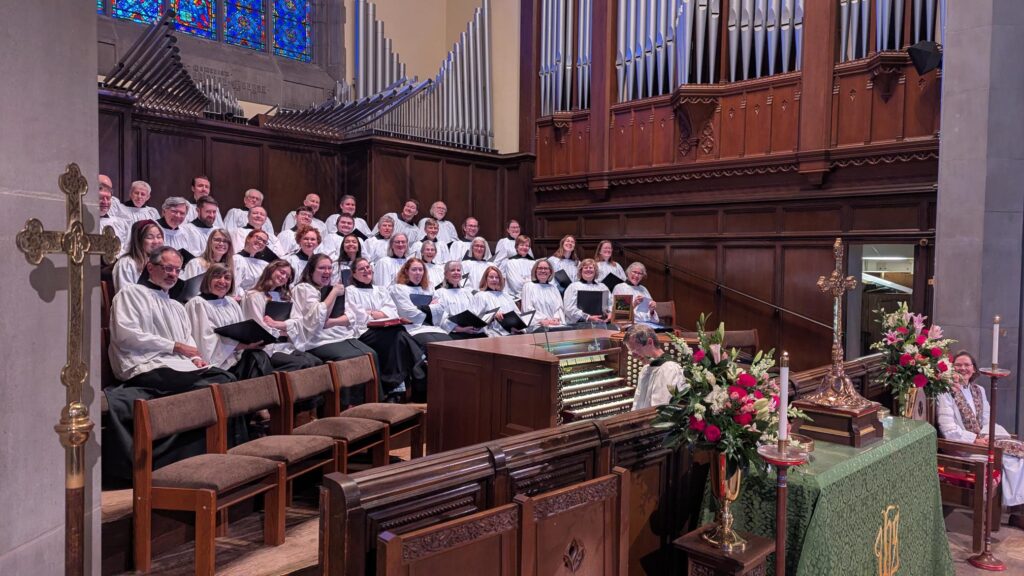
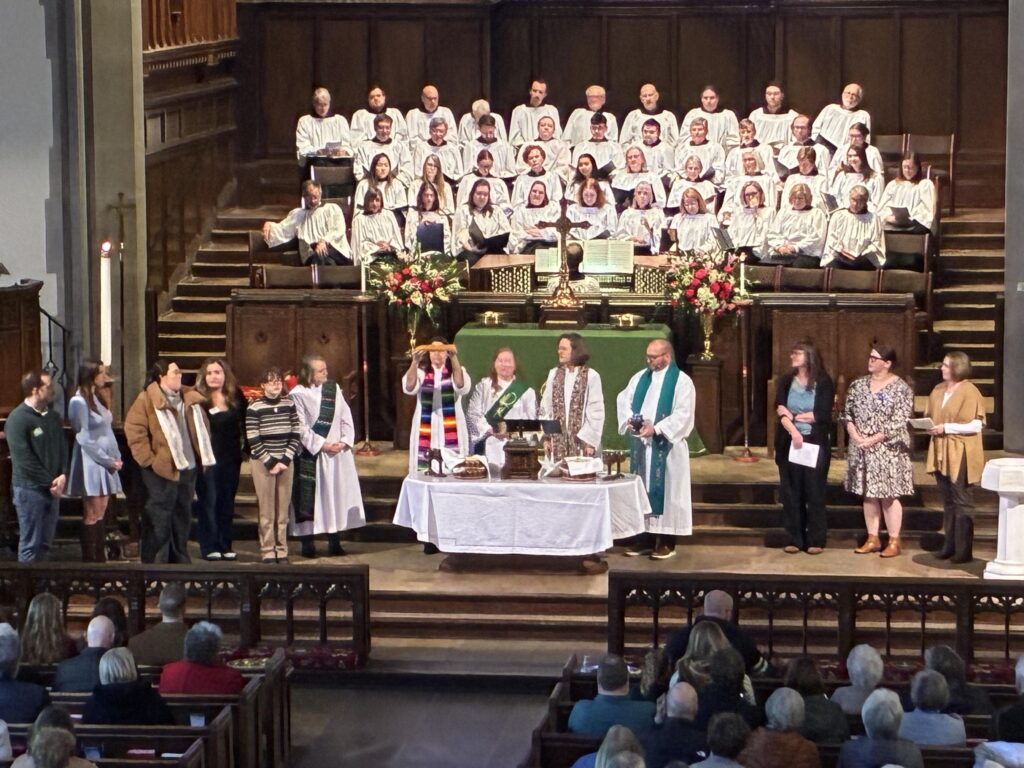
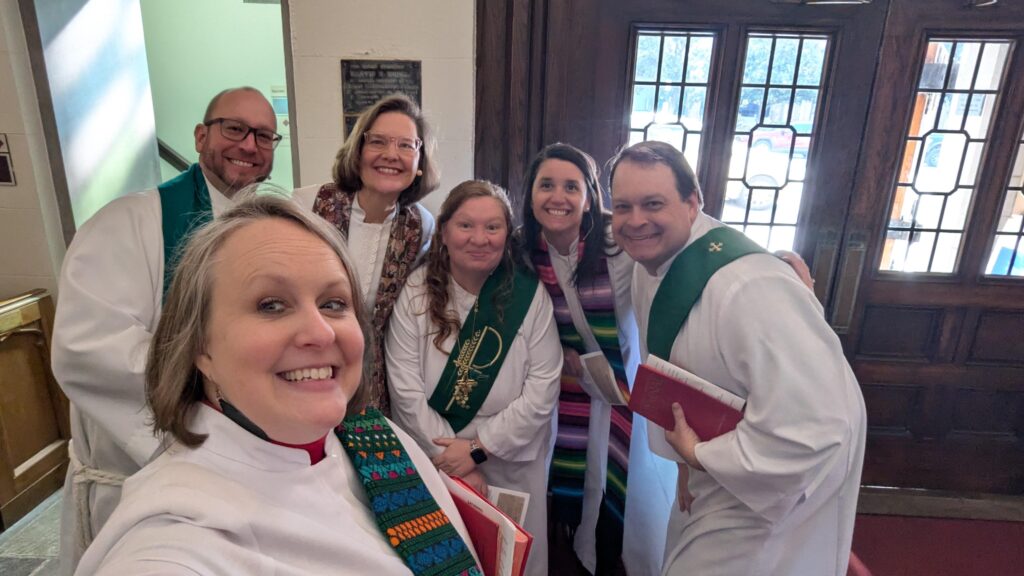
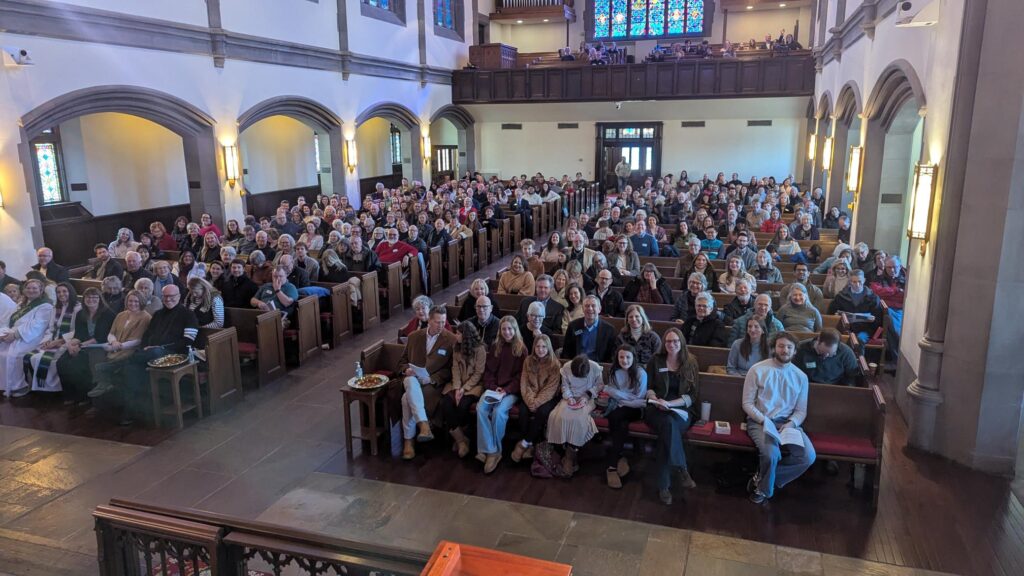
Estos dos últimos párrafos los he tomado prestados —bueno, robado— del sermón de la reverenda Carol Cavin-Dillon en la Iglesia Metodista Unida West End de Nashville el 1 de febrero. Con las iglesias de la ciudad aún sin electricidad una semana después de la tormenta, West End invitó a las iglesias metodistas unidas de Glendale, Belle Meade y Calvary. Compartimos huevos, sémola y café en el sótano de la iglesia, escuchamos al maestro narrador Tyler Merritt recordarnos las conexiones que lo cambian todo y luego nos dirigimos al santuario, todavía helados por el frío de la semana.
Muchos de nosotros comenzamos llorando, por el estrés de la tormenta. Pero gracias a los viejos himnos familiares (“From All that Dwell Below the Skies” y “Heal Us, Emmanuel, Hear Our Prayer”), el pan de la comunión partido y compartido, y la historia de Marcos sobre Jesús curando a un hombre con lepra, un hombre que dijo que podría curarse si Jesús así lo decidía, aquellos de nosotros con nuestras propias marcas y cicatrices evolucionamos hacia algo nuevo.
“Oh, no nos envíes a casa desesperados”, cantamos juntos nuestras últimas palabras. “No envíes a nadie sin curar”.”
Y entonces, Jesús tomó esa decisión. Sanó el dolor que cada uno de nosotros llevaba consigo.
Nos abrazamos. Nos quedamos hasta la tarde para conversar. Reavivamos viejas amistades y comenzamos nuevas misiones. Tal como Jimmy le prometió a Amy, cada uno de nosotros vio el mundo de manera diferente.
Nos convertimos en un nosotros. Y el mundo, aún destrozado, comenzó a parecer un poco más prometedor.