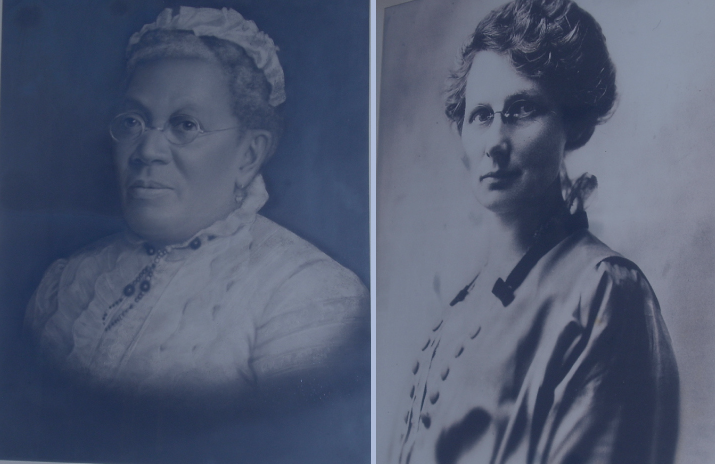
Key Milestones in Our Predecessor Conferences
1930s–1950s: The Years of Local Orders
1935
Clydia Ester Boose becomes the first woman licensed as a Local Pastor in our predecessor conferences (Central Tennessee Conference of the Methodist Episcopal Church).
1940
Boose becomes the first woman ordained as a Local Deacon in the Memphis Conference.
1948
Boose becomes the first woman ordained as a Local Elder in the Memphis Conference.
1954
Boose becomes the first woman appointed as sole pastor of a charge at Boose Memorial.
1960s–1970s: Full Connection and Conference Membership
1968
Ora Bell Peck becomes the first woman received into full connection in the Memphis Annual Conference.
1970
Peck becomes the first woman ordained an Elder in full connection in the Memphis Conference.
1973
Faith Martha Cornwall becomes the first woman ordained an Elder by the Tennessee Conference.
Expanding Leadership Across Conferences
1978
Karen Y. Collier becomes the first Black woman ordained an Elder in our predecessor conferences and in the Tennessee Conference.
1979
Lenn L. Harris becomes the first Black woman ordained an Elder in the Memphis Conference.
This year marks the 70th anniversary of women receiving full clergy rights in The Methodist Church. In 1956, the denomination formally granted women the right to full ordination as elders, recognizing the gifts and leadership of women in ordained ministry. Yet in our conference, the story of women in clergy began long before that official recognition.
In the Methodist Church prior to 1968, clergy authority developed in stages. A person could first be licensed as a Local Preacher. Later, one might be ordained as a Local Deacon or Local Elder, roles granted by a District Superintendent and limited in authority to that district. These local orders did not include full membership in the annual conference. Full conference membership, known as full connection, was separate from preaching rights and carried voting privileges and conference-wide authority.
1935: Clydia Ester Boose
It was within this layered system that Clydia Ester Boose first answered her call. Licensed in 1935, she became the first woman ordained as a Local Deacon in the Memphis Conference in 1940 and the first woman ordained as a Local Elder there in 1948. In 1954, she was appointed as the sole pastor of Dyersburg Second Methodist Church and Boose Memorial, becoming the first woman in our predecessor conferences to exercise full pastoral authority over a charge. Long before structures fully supported women’s leadership, Boose was already faithfully living into her call.
1968: Ora Bell Peck
A significant shift came in 1968, when Ora Bell Peck became the first woman received into full connection in the Memphis Annual Conference. Two years later, in 1970, she became the first woman ordained an Elder in full connection in that conference, marking a new level of institutional recognition for women’s sacramental authority and conference membership.
1973: Faith Martha Cornwall
In 1973, Faith Martha Cornwall became the first woman ordained an Elder by the Tennessee Conference. Her ministry reflected the expanding presence of women in pastoral leadership.
1978: Dr. Karen Y. Collier
The circle widened further in 1978, when Dr. Karen Y. Collier became the first Black woman ordained an Elder in the Tennessee Conference. A respected scholar, pastor, and mentor, Dr. Collier helped shape generations of leaders in both the church and the academy. She served as a consultant, mentor, and coordinator for the Women of Color Program, founded in 1988 to support Black, Indigenous, and other Women of Color pursuing doctoral degrees in religious education, impacting women from across the world.
1979: Lenn L. Harris
In 1979, Lenn L. Harris became the first Black woman ordained an Elder in the Memphis Conference.
These milestones unfolded during decades of change in the life of the Methodist Church, as conferences reorganized and eventually became the body we now know as The United Methodist Church. In 2021, the Tennessee and Memphis Conferences merged to form the Tennessee-Western Kentucky Conference, carrying forward this shared history.
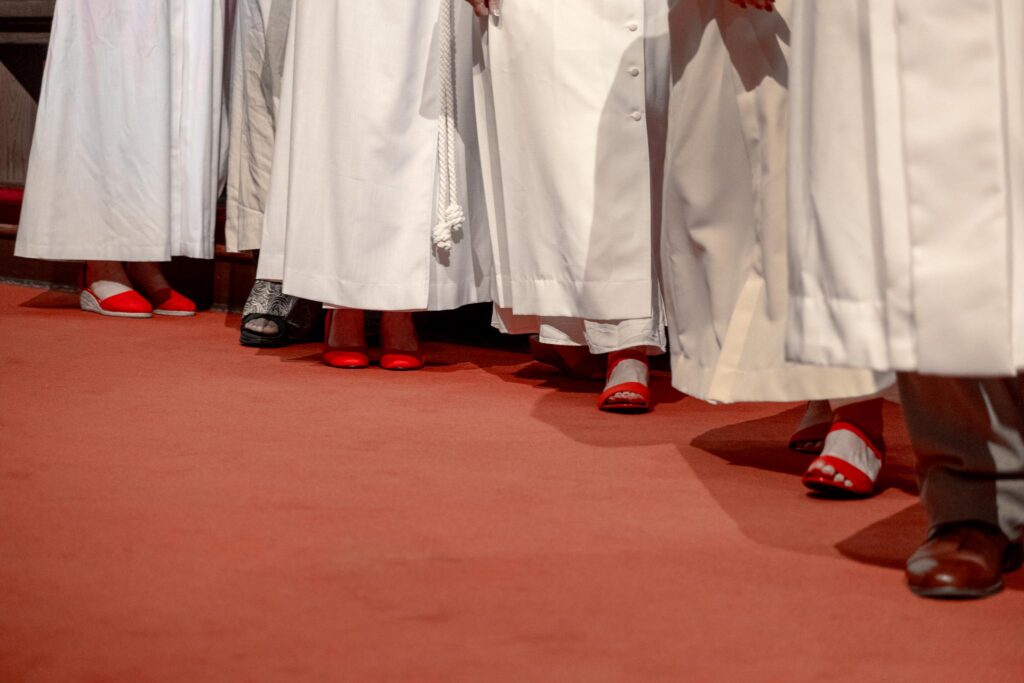
As we celebrate seventy years of women in clergy, we remember that policy changes did not create women’s ministry. Women had long been preaching, teaching, organizing, and leading in their communities. The 1956 decision recognized what women had already been faithfully doing and opened the way for generations of clergywomen who continue to serve the church today.
Written by Hannah Ensley, Communications Intern, and Gratia Strother, Conference Archvist